


Burkina Faso Cuts Prices of Essential Medicines with $5.4M Plan
TLDR
- Burkina Faso to lower prices of essential medicines, including tablets and injectables, by up to 72.73% from March 1.
- Aim is to reduce healthcare burden on households and improve treatment access amidst security and fiscal constraints.
- Centralized distribution through CAMEG part of broader regional strategy to enhance service access and manage fiscal challenges.
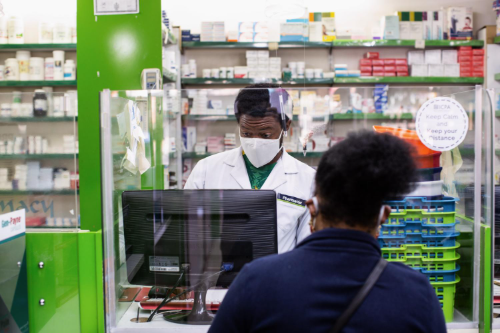
Burkina Faso will lower the selling prices of essential generic medicines and medical supplies starting March 1, following a decision adopted at a Council of Ministers meeting on February 12. The measure applies to products distributed by CAMEG, the Central Purchasing Agency for Essential Generic Medicines.
The state will allocate 3 billion CFA francs ($5.4 million) to fund the reductions. The cuts include price drops of up to 67.27 percent for certain tablets, 53.47 percent for some injectable products, 20 percent for specific syrups and suspensions, and up to 72.73 percent for selected medical supplies.
The government says the goal is to reduce the healthcare burden on households and improve access to treatment. The measure comes amid security pressures and fiscal constraints.
The decision follows a first round of price reductions implemented in May 2025, estimated at about 5 billion CFA francs. In total, authorities will have committed nearly 8 billion CFA francs within a year to support the affordability of essential health products.
The cuts apply only to medicines distributed through CAMEG.
Key Takeaways
Out-of-pocket health spending remains high across West Africa, where households often bear a large share of medical costs. In Burkina Faso, generic medicines form the backbone of the public health system and are widely prescribed in public facilities. Lowering prices may increase treatment uptake and reduce financial stress for families. It can also support productivity by limiting the economic impact of untreated illness. However, sustaining lower prices will depend on continued budget support and efficient procurement. By centralizing distribution through CAMEG, the government retains control over supply chains and pricing. The policy reflects a broader effort in the region to expand access to basic services while managing tight fiscal space. The challenge will be to maintain funding levels without adding pressure to public finances.
Think someone else should see this?









To invest in this opportunity and other opportunities across Africa
Download the daba finance app on your mobile through

Take action.

Download app
Start investing in Africa’s best opportunities, including stocks, bonds, startups, venture funds, and more.
Partner with us
Unlock exciting business opportunities and growth potential.
Join Daba
Become a part of our vibrant community and enjoy exclusive benefits.
Contact us
Reach out to us for inquiries, support, or collaboration.