


eYouth Expands Into Iraq With Arabic Workforce Platform
TLDR
- eYouth launches eYouth Iraq in partnership with Al-Majal Group, focusing on Arabic-language online workforce skills development.
- Training programs target youth, new graduates, and professionals in high-demand skills aligned with national development goals.
- eYouth's move into Iraq highlights the importance of workforce training for economic rebuilding, addressing skills gaps in the region and offering practical and accessible training for Arabic-speaking learners.
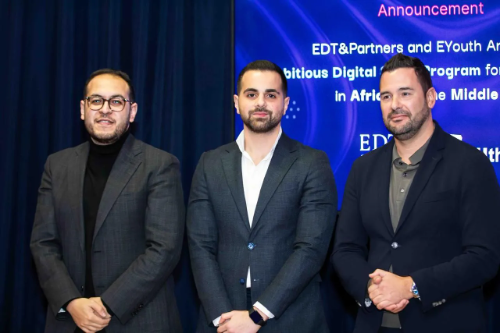
eYouth, the Egypt-founded digital learning company, has expanded into Iraq with the launch of eYouth Iraq, introducing the country’s first Arabic-language online platform focused on workforce skills development.
The expansion is being carried out through a strategic partnership with Al-Majal Group, one of Iraq’s largest private-sector conglomerates. The platform will deliver Arabic-first training programs aligned with labour market demand, targeting youth, new graduates, and working professionals.
Founded in 2016 by Mustafa Abd Ellatif, eYouth has scaled across the Middle East and North Africa, with operations in Saudi Arabia and the UAE. The company says it has reached more than 4 million learners across 21 countries.
eYouth Iraq will focus on high-demand skills linked to priority economic sectors. The company plans to work with government bodies, public institutions, and private employers to ensure programs match national development goals and hiring needs.
Training will emphasize practical application and employability, alongside technical and professional skills. Programs will be delivered digitally and developed to international quality standards, while remaining accessible to Arabic-speaking learners.
The platform is expected to roll out in phases during 2026, with coverage expanding across sectors and regions in Iraq.
Key Takeaways
eYouth’s move into Iraq highlights how workforce training is becoming a core pillar of economic rebuilding. Iraq faces a large youth population, uneven job creation, and skills gaps across both public and private sectors. Digital platforms offer a way to scale training without heavy physical infrastructure. The Arabic-first approach addresses a key constraint in the region, where many global learning tools rely on English and fail to reach broad segments of the labour force. By aligning programs with employers and government priorities, eYouth is positioning itself as a labour-market intermediary, not just a content provider. The partnership model also matters. Local partners like Al-Majal Group provide access, credibility, and distribution in markets where institutional trust and networks are critical. For edtech firms expanding across MENA, this reduces execution risk. If adoption scales, platforms like eYouth could help shift workforce development from ad hoc training to structured pipelines tied directly to employment. That would place digital learning alongside energy, transport, and finance as part of the infrastructure needed for long-term economic growth.
Think someone else should see this?









To invest in this opportunity and other opportunities across Africa
Download the daba finance app on your mobile through


Take action.

Download app
Start investing in Africa’s best opportunities, including stocks, bonds, startups, venture funds, and more.
Partner with us
Unlock exciting business opportunities and growth potential.
Join Daba
Become a part of our vibrant community and enjoy exclusive benefits.
Contact us
Reach out to us for inquiries, support, or collaboration.