


Kenya Looks to Raise $825M from Pipeline Company Stake Sale
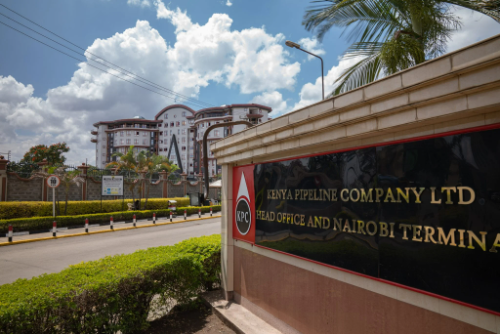
TLDR
- Kenya government launches 65% stake sale in Kenya Pipeline Company, targeting East Africa's largest initial public offering
- Offer aims to raise 106.3 billion Kenyan shillings (approximately $825 million) to reduce state ownership
- Shares priced at 9 shillings each, with subscription period until February 19 and trading starting on March 9
The Kenyan government has launched the sale of a 65% stake in the Kenya Pipeline Company, setting up what is expected to be East Africa’s largest initial public offering in local-currency terms.
The offer aims to raise about 106.3 billion Kenyan shillings, equivalent to roughly US$825 million, as part of President William Ruto’s plan to reduce state ownership in public enterprises. The move follows earlier privatization efforts, including the partial listing of Safaricom.
Shares have been priced at 9 shillings each. The subscription period runs until February 19, with trading set to begin on March 9 on the Nairobi Securities Exchange.
The allocation reserves 15% of shares for oil marketing companies and 5% for employees. The remaining shares are split evenly among local retail investors, local institutions, East African investors, and foreign investors. The government will retain a 35% stake.
Faida Investment Bank is acting as lead transaction adviser.
Kenya Pipeline operates fuel pipelines, storage, and distribution infrastructure linking the port of Mombasa to Nairobi and inland markets, making it central to regional energy supply.
Key Takeaways
The Kenya Pipeline IPO is a major test of Kenya’s push to deepen capital markets and reduce the state’s role in commercial assets. In shilling terms, the offering is set to exceed the 2008 Safaricom IPO, reflecting both the scale of the asset and the government’s funding needs. Unlike Safaricom, which was consumer-facing, Kenya Pipeline is a strategic infrastructure business with stable cash flows tied to fuel demand. That profile may appeal to pension funds, insurers, and energy-focused investors seeking predictable returns rather than growth. The structure of the offer signals a balance between domestic participation and foreign capital. Reserving shares for oil marketers and employees aims to anchor the shareholder base, while equal allocation across investor categories limits concentration risk. In dollar terms, the deal will still fall short of Safaricom’s record because of shilling depreciation. Even so, a successful listing would boost liquidity on the Nairobi Securities Exchange and set a benchmark for future privatizations. Failure, however, would raise questions about market depth, valuation discipline, and investor appetite for large state-led offerings in a high-interest-rate environment.
Think someone else should see this?









To invest in this opportunity and other opportunities across Africa
Download the daba finance app on your mobile through


Take action.

Download app
Start investing in Africa’s best opportunities, including stocks, bonds, startups, venture funds, and more.
Partner with us
Unlock exciting business opportunities and growth potential.
Join Daba
Become a part of our vibrant community and enjoy exclusive benefits.
Contact us
Reach out to us for inquiries, support, or collaboration.