


World Bank, Microsoft-Backed Clean Cooking Startup Koko Networks Folds
TLDR
- Koko Networks, a significant clean cooking company in Africa, faces administration due to the Kenyan government's denial of critical approval for selling carbon credits in international markets.
- The Nairobi-based company supplied bioethanol fuel and cookstoves to over 1.3 million households, with support from investors like Microsoft and the World Bank.
- Koko's business model, based on subsidizing products through carbon credit sales, suffered as the required government authorization was not granted, impacting its financial sustainability.
Koko Networks, one of Africa’s largest clean cooking companies, has entered administration after Kenya’s government declined to issue a key approval needed to sell its carbon credits in international compliance markets.
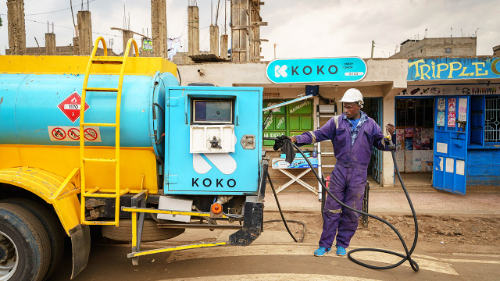
The Nairobi-based firm supplied bioethanol fuel and cookstoves to about 1.3 million households through a network of more than 3,000 automated fuel kiosks. The company employed more than 700 people and had raised over $300 million from investors including Microsoft, Mirova and Rand Merchant Bank. It also benefited from a World Bank-backed guarantee.
Koko’s model relied on subsidising stoves and fuel through the sale of carbon credits. The credits were expected to be sold under mechanisms such as CORSIA and Article 6 of the Paris Agreement, where regulated demand from airlines and other buyers could support higher prices.
To access these markets, the company required a Letter of Authorisation from the Kenyan government. After at least 8 months without approval, Koko was unable to bridge the gap between low retail prices and operating costs.
Government officials said the scale of Koko’s credit issuance risked absorbing most of Kenya’s available international carbon quota.
Lenders had secured a $60 million facility against company assets, and a $179.6 million MIGA guarantee may now be tested through arbitration.
Key Takeaways
The collapse highlights the risks of climate startups that depend on policy alignment and carbon revenue rather than direct consumer margins. Clean cooking is a major issue in Africa, where indoor air pollution causes about 815,000 premature deaths annually and wood fuel drives deforestation. Carbon credits have been promoted as a way to finance the shift from charcoal to cleaner fuels. Yet studies have questioned the integrity of some cookstove credits, with a 2024 peer-reviewed paper finding emission reductions overstated in sampled projects. For investors, the case underscores regulatory risk in Article 6 and compliance carbon markets, where sovereign approval is required. Even with political risk insurance, payouts can take years. Koko’s shutdown leaves more than 1 million households without supply and raises doubts about whether carbon-subsidised utility models can scale without direct fiscal support or higher end-user pricing.
Think someone else should see this?









To invest in this opportunity and other opportunities across Africa
Download the daba finance app on your mobile through

Take action.

Download app

Partner with us
Unlock exciting business opportunities and growth potential.
Join Daba
Become a part of our vibrant community and enjoy exclusive benefits.
Contact us
Reach out to us for inquiries, support, or collaboration.