


Mali Kicks Off Sugar Campaign as Import Gap Persists
TLDR
- Mali launched its 2025-2026 sugar campaign at Sukala and N-Sukala complexes, aiming for over 120,000 tons production.
- The country faces a structural deficit in sugar supply, needing to import around 66% of its consumption.
- Mali's sugar sector highlights challenges in industrial capacity and import dependence, necessitating efforts towards self-sufficiency and stabilizing prices domestically.
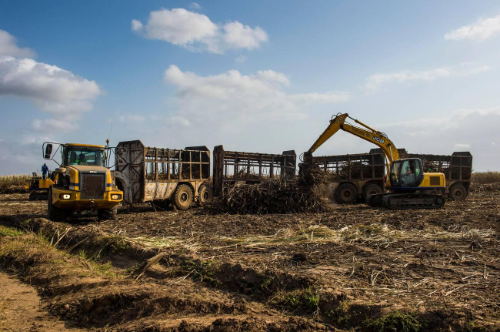
Mali has launched its 2025-2026 sugar campaign at the Sukala and N-Sukala complexes, the country’s two main production sites. The season was opened under the supervision of Industry and Trade Minister Moussa Alassane Diallo.
The two state-backed units target output of more than 120,000 tons this season, covering about 34 percent of national demand. The launch follows repairs after attacks in August 2025 that damaged infrastructure. Operations have since resumed.
Despite the restart, Mali’s structural deficit remains. The country’s annual sugar requirement stands at about 352,941 tons. Domestic output covers roughly one-third of that level. Authorities estimate that Mali must import around 232,941 tons, or 66 percent of consumption, to meet demand.
The government says a supply mechanism has been put in place ahead of Ramadan 2026, a period of higher consumption. Local production is expected to help limit price swings, though import dependence exposes the country to global price movements and currency pressures.
Key Takeaways
Mali’s sugar sector reflects a broader challenge across several Sahel economies: limited industrial capacity and high import dependence for staple goods. Sugar imports weigh on foreign exchange reserves and expose the country to volatility in global commodity markets, where prices have fluctuated due to supply disruptions and energy costs. Maintaining production at 120,000 tons after the 2025 sabotage reduces pressure on public finances and supports rural employment. However, achieving self-sufficiency would require production to nearly triple, implying new investment in irrigation, milling capacity, and cane supply. In the short term, the focus is on stabilizing domestic prices and ensuring availability during Ramadan. Over the medium term, reducing the import bill would require sustained capital spending and improvements in agricultural productivity. Until then, Mali will remain reliant on external suppliers for most of its sugar needs.
Think someone else should see this?









To invest in this opportunity and other opportunities across Africa
Download the daba finance app on your mobile through

Take action.

Download app
Start investing in Africa’s best opportunities, including stocks, bonds, startups, venture funds, and more.
Partner with us
Unlock exciting business opportunities and growth potential.
Join Daba
Become a part of our vibrant community and enjoy exclusive benefits.
Contact us
Reach out to us for inquiries, support, or collaboration.