


Mauritius Exchange to Extend Trading Hours and Shift to T+2 Settlement
TLDR
- Stock Exchange of Mauritius and Central Depository & Settlement Co. Ltd to extend trading hours to improve access for international investors and support liquidity.
- Transitioning from T+3 to T+2 settlement cycle aligns SEM and CDS with international standards, reducing counterparty risk and increasing efficiency.
- Move towards T+2 settlement enhances Mauritius's status as an international financial center, boosting cross-border investment appeal and liquidity in regional markets.
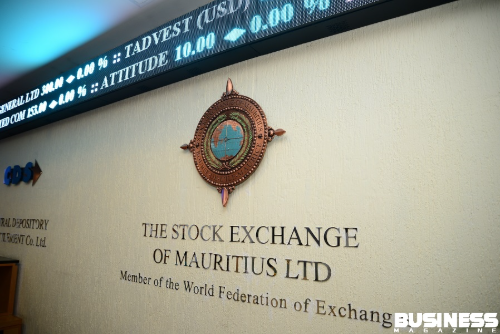
The Stock Exchange of Mauritius and the Central Depository & Settlement Co. Ltd announced reforms to extend trading hours and move to a T+2 settlement cycle.
Starting in April 2026, subject to regulatory approval, the continuous trading session will run from 9:30 a.m. to 3:00 p.m. GMT+4, compared with the current 10:00 a.m. to 2:30 p.m. schedule. The change adds 1 hour to daily trading. Within 6 months, the exchange plans to extend the close further to 3:30 p.m.
The exchange said the adjustment aims to improve access for international investors across time zones and support liquidity.
SEM and CDS will also transition from a T+3 to a T+2 settlement cycle within 1 year. The move aligns the market with international standards adopted in major financial centers.
The current system has recorded zero settlement failures. However, the exchange said faster settlement would reduce counterparty risk, improve capital efficiency and increase liquidity in securities and cash flows.
Under T+2, trade confirmations must be completed faster and funds must be available by 10:30 a.m. GMT+4 on settlement day.
Key Takeaways
Shortening settlement cycles has become a global trend. The United States moved to T+1 in 2024, while many markets operate on T+2. Faster settlement reduces the time between trade execution and final transfer of securities and cash, lowering exposure to default risk. For Mauritius, aligning with T+2 may strengthen its appeal as an international financial center serving Africa and Asia. The country has positioned itself as a gateway for cross-border investment, supported by tax treaties and a developed legal framework. Extended trading hours increase overlap with European and Asian markets, which may improve participation by foreign funds. The reforms require coordination among brokers, custodians and investors. Operational readiness will be key to avoid settlement delays. If implemented smoothly, the changes could enhance liquidity and reinforce Mauritius’s role in regional capital markets.
Think someone else should see this?









To invest in this opportunity and other opportunities across Africa
Download the daba finance app on your mobile through

Take action.

Download app
Start investing in Africa’s best opportunities, including stocks, bonds, startups, venture funds, and more.
Partner with us
Unlock exciting business opportunities and growth potential.
Join Daba
Become a part of our vibrant community and enjoy exclusive benefits.
Contact us
Reach out to us for inquiries, support, or collaboration.