


Flutterwave Gets Nigerian Banking License to Expand Payments Control

TLDR
- Flutterwave secures banking license in Nigeria, enhancing control over transaction processing and reducing reliance on partner banks.
- This move reflects a trend of fintech companies expanding into regulated financial services to improve margins and offer integrated financial products.
- Nigeria's fintech market showcases a shift towards fintech firms taking on traditional banking functions, signaling sector maturity and new partnership opportunities.
Flutterwave has obtained a banking license in Nigeria, allowing the company to hold deposits and process financial flows directly within the country’s regulated system.
Founded in 2016 by Olugbenga Agboola, Flutterwave provides payments infrastructure that enables businesses and banks to process transactions across Africa through a single API. The company has processed more than 40 billion dollars in payments and over 1 billion transactions.
The license marks a shift from the traditional model where fintech firms rely on partner banks to access clearing and settlement systems. Under that model, fintechs depend on banks for core infrastructure and share part of transaction revenues.
With the license, Flutterwave can manage deposits and settlement flows internally. This gives the company more control over transaction processing and reduces reliance on third-party banking partners.
Flutterwave said it will continue to work with banks across its network while using the license to improve settlement speed and support product development in its largest market.
Key Takeaways
Flutterwave’s banking license reflects a broader trend of fintechs moving deeper into regulated financial services. Payments companies often start by building APIs on top of existing banking systems, but as they scale, they seek licenses to control more of the value chain. By holding deposits and managing settlement directly, Flutterwave can reduce costs, improve margins, and speed up transaction processing. This also allows for tighter integration between payments, wallets, and potential lending or financial products. Nigeria is one of Africa’s largest fintech markets, and regulatory approval signals growing alignment between regulators and large fintech platforms. For banks, this shift creates both competition and partnership opportunities, as fintechs take on functions traditionally handled by financial institutions while still relying on them for liquidity and broader system access. For investors, the move indicates maturity in Africa’s fintech sector, where leading companies transition from infrastructure providers to full financial platforms with deeper control over revenue streams and customer relationships.
Think someone else should see this?









To invest in this opportunity and other opportunities across Africa
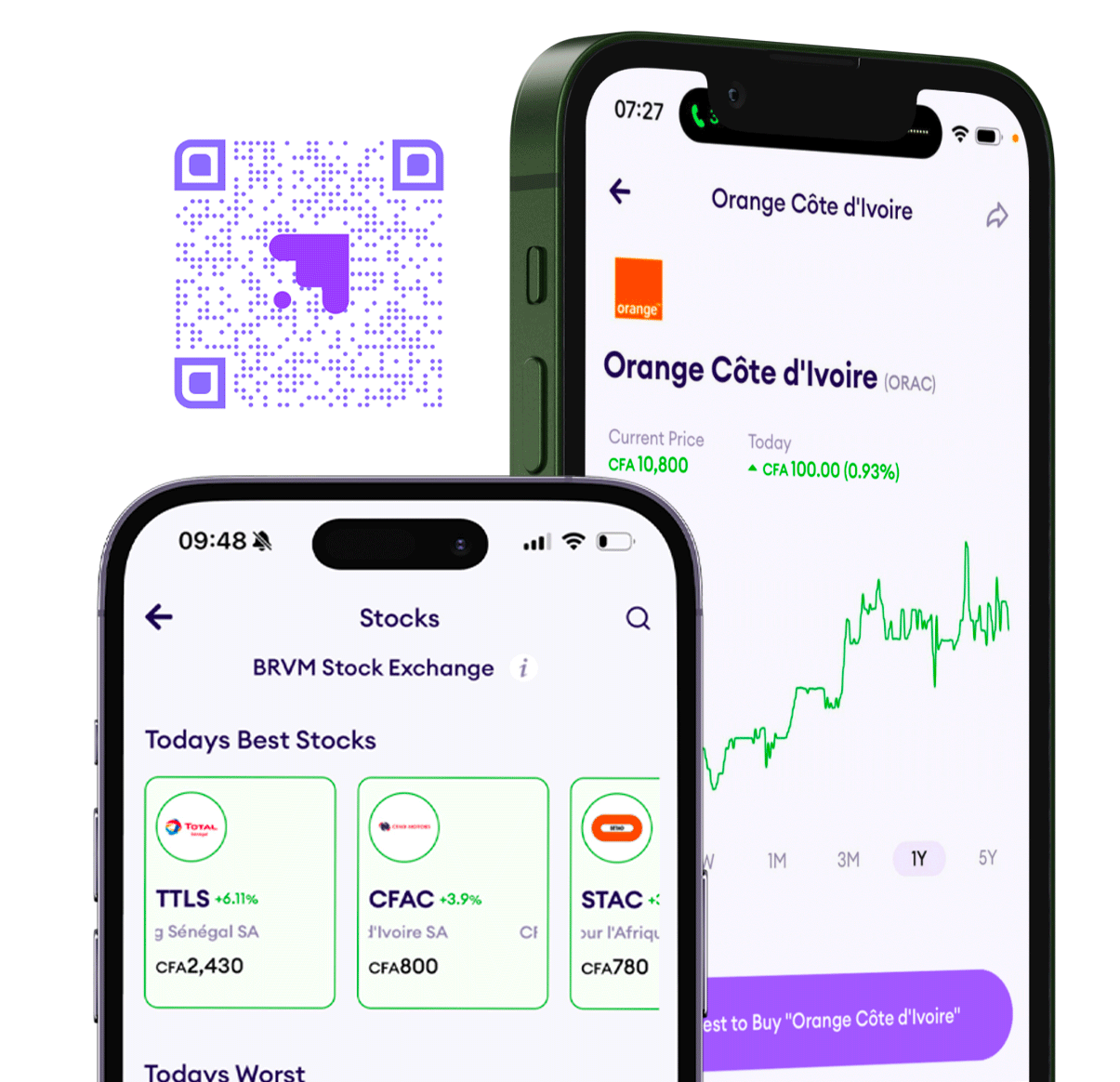
Download the daba finance app on your mobile through

Take action.

Download app
Start investing in Africa’s best opportunities, including stocks, bonds, startups, venture funds, and more.
Partner with us
Unlock exciting business opportunities and growth potential.
Join Daba
Become a part of our vibrant community and enjoy exclusive benefits.
Contact us
Reach out to us for inquiries, support, or collaboration.