


Spiro Secures $7M Debt From Nithio to Expand EV Network
TLDR
- Spiro secures $7 million debt facility from U.S.-based climate fintech Nithio to expand electric motorcycle fleet in Africa
- Investment supports deployment in African urban markets where two-wheelers dominate transport and delivery
- Battery swapping addresses charging constraints, reduces downtime, and improves driver margins over time
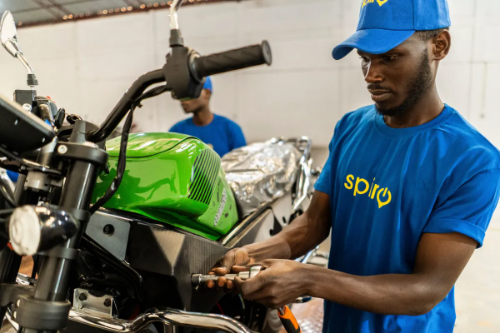
Spiro has secured a $7 million debt facility from U.S.-based climate fintech Nithio to expand its electric motorcycle fleet and battery-swapping network in Africa.
The financing will support deployment in urban markets where two-wheelers dominate transport and delivery. Funds will be used to increase the number of electric motorcycles, expand battery-swapping stations and strengthen working capital and supply chains.
Founded in 2022, Spiro has raised nearly $290 million to date. In October 2025, it closed a $100 million round led by the Fund for Export Development in Africa. The Nithio facility adds climate-focused debt to its funding base.
For Nithio, the deal marks its first investment in African e-mobility. The firm previously focused on energy access assets such as solar systems. It uses an AI-based risk engine to assess credit and climate impact.
Spiro operates a battery-as-a-service model, allowing riders to swap depleted batteries for charged units.
Key Takeaways
Electric two-wheelers are gaining traction in African cities where fuel costs are volatile and motorcycles are central to logistics and commuting. Countries such as Kenya, Nigeria and Benin have seen rising adoption of electric bikes for ride-hailing and delivery services. Battery swapping addresses charging constraints by reducing downtime for commercial riders. Lower operating costs compared with petrol motorcycles can improve driver margins over time, despite higher upfront vehicle costs. Climate-focused lenders are increasingly targeting transport, one of the largest sources of urban emissions. Blended finance and data-driven underwriting models aim to attract institutional capital into assets that were once seen as high risk. If demand continues and infrastructure scales, electric motorcycles could become a core segment of Africa’s urban mobility market, supported by specialized debt and climate capital.
Think someone else should see this?









To invest in this opportunity and other opportunities across Africa
Download the daba finance app on your mobile through

Take action.

Download app
Start investing in Africa’s best opportunities, including stocks, bonds, startups, venture funds, and more.
Partner with us
Unlock exciting business opportunities and growth potential.
Join Daba
Become a part of our vibrant community and enjoy exclusive benefits.
Contact us
Reach out to us for inquiries, support, or collaboration.